Wednesday, August 7, 2019

Diabetes - What is Your Risk?

Diabetes is a group of diseases that affect how your body processes glucose. Glucose is necessary as an important source of energy for your cells and is the main source of energy for your brain to function. 

There are various forms of diabetes. Pre-diabetes is a precursor to actually developing full on diabetes that presents as high levels of blood sugar, but not high enough to be considered diabetes. With proper diet and exercise, pre-diabetes does not have to develop into full on diabetes.  Gestational diabetes occurs during pregnancy and often will reverse after childbirth. However, having experienced gestational diabetes puts the mother and the child at higher risk for developing Type II diabetes later in life. Type I diabetes is an autoimmune disorder where the pancreas is unable to produce insulin. It often, but not always, starts at a very young age.  Type II diabetes is a chronic condition that affects how the body processes blood sugar. This type used to be called Adult Onset Diabetes but with our Standard American Diet, doctors are seeing children developing this condition as early as 10 years old.

The severity of symptoms you might experience when you are developing or have developed diabetes will depend on the level of your blood sugar. Initially when developing pre-diabetes or Type II, you may not experience symptoms. However, with Type I, the symptoms are likely to be more severe and appear more quickly. Some symptoms to look for are:

  • increased thirst 
  • extreme hunger
  • frequent urination
  • unexplained weight loss
  • ketones in the urine 
  • fatigue
  • irritability
  • blurred vision
  • slow healing sores
  • frequent infections in the vaginal area, gums, or skin
Are you at risk for developing diabetes? Here are some risk factors to be aware of:

Type I diabetes
  • family history
  • environmental factors - exposure to some viruses can lead to Type I diabetes
  • autoantibodies - damaging immune system cells 
  • geography - people in Finland and Sweden are at higher risk
Pre-diabetes and Type II diabetes
  • excess weight
  • sedentary lifestyle
  • family history
  • race - Hispanics, African Americans, Asian-Americans and Native Americans are at higher risk
  • age
  • gestational diabetes
  • polycystic ovarian syndrome
  • high blood pressure
  • unhealthy cholesterol and high triglycerides 
Gestational diabetes
  • age
  • family or personal history
  • weight
  • race - same demographics that are vulnerable to pre-diabetes and Type II
Diabetes brings with it several peripheral complications, such as:
  • cardiovascular disease
  • neuropathy (nerve damage)
  • nephropathy (kidney damage) 
  • retinopathy (eye damage)
  • foot damage from poor blood circulation
  • skin conditions
  • hearing impairment
  • Alzheimer's disease
  • depression
Complications from gestational diabetes:
  • high birth weigh
  • higher risk of type II for both mother and child
  • low blood sugar
  • death
  • preeclampsia
  • secondary gestational diabetes - higher risk for subsequent pregnancies
In cases where diabetes has not yet manifested, taking steps for prevention is the best defense. Here are some things within your control to keep from developing it:
  • eat whole foods that are primarily plant based including plenty of vegetables, fruits and whole grains
  • get moving every day
  • maintain a healthy BMI and body weight
  • monitor your blood sugar levels if you are at risk
Type II diabetes is on the rise but it doesn't have to happen to you. If you feel you are at risk, let's talk. 


As a health coach, I work with women who are facing serious health challenges like heart disease, metabolic syndrome and diabetes or who have been diagnosed as having a precursor to a serious health issue such as high blood pressure, high cholesterol or high blood sugar. I help them make food and lifestyle changes so they can get healthy, live longer and enjoy a fuller, happier, more energetic life. If you would like to have a free consultation about the health challenges you have and the improvements you would like to see in your health, click here to schedule a no strings attached call.

Tuesday, August 6, 2019

Don't Ignore Your Body

I found out that someone I knew passed away yesterday from ovarian cancer at the ripe "old" age of 55. She had various symptoms over the last several years that she chose to ignore, to her extreme detriment. A few weeks after she began disability leave, presumably to be treated for the cancer, she died.

I had not seen this woman for a little over a year but when I was seeing her almost daily, I noticed that on her otherwise thin body, her abdomen was getting larger. It appeared abnormally round to me. Since she had a small quiver in her hands, I thought she was drinking heavily and chalked it up to that. I don't know that she would have seen a doctor if I mentioned my observations because there were others who were closer to her than I was that she wasn't listening to. Her symptoms of back pain and what she referred to as "woman problems" date back at least five years.

Ovarian cancer has been one of those diseases called "a silent killer". Often the patient is asymptomatic until she isn't and by the time she realizes there's a problem, it's in the advanced stages. According to the American Cancer Society, only about 20% of cases of ovarian cancer are diagnosed at an early stage. This is often because the early symptoms look like other problems like digestive and stomach issues or minor issues causing nuisance pain, like a pulled muscle in the back. Usually it's when the cancer has spread beyond the ovaries, that the symptoms appear. Some common symptoms of ovarian cancer that can be mistaken for something less serious, and therefore ignored are:
  • abdominal bloating, nausea or indigestion
  • change in appetite, having little or no appetite or feeling of fullness after eating a small meal
  • pelvic or lower back pressure
  • frequency and urgency in urinary habits
  • change in bowel movements, constipation, diarrhea 
  • increase in abdominal measurement
  • lack of energy or being tired
  • menstrual changes
You can see how this list of symptoms can easily be mistaken for something else, especially if you are also entering or in the throes of menopause, under stress, eat a bad diet, have a lot of responsibility, or are sleep deprived.

But you know your body. If you pay careful attention and listen to your intuition, you know when something isn't right. It's important when you know something is going on that you seek medical help. If the doctor blows you off or minimizes your concerns, GET ANOTHER DOCTOR. Remember, you are paying them and they work for you. If you are not taken seriously, find one who will listen and run the appropriate tests. We have to be partners in our health care and must be seen as such. If the doctor has a "my way or the highway" attitude, take the highway option. They aren't doing you any favors anyway. If you feel that you aren't able to advocate for yourself, take someone with you who can. Don't be another victim of denial. There have been so many advances made in cancer care that it doesn't have to be a death sentence if you find and treat it early.

As a health coach, I work with women who are facing serious health challenges like heart disease, metabolic syndrome and diabetes or who have been diagnosed as having a precursor to a serious health issue such as high blood pressure, high cholesterol or high blood sugar. I help them make food and lifestyle changes so they can get healthy, live longer and enjoy a fuller, happier, more energetic life. If you would like to have a free consultation about the health challenges you have and the improvements you would like to see in your health, click here to schedule a no strings attached call.


Monday, August 5, 2019

Let's Get Back To Nature


Until recently, I had never heard of ecotherapy but now that I know what it is, I'm in. Ecotherapy refers to the benefits, both physical and psychological, of being in nature. It really makes sense that being outside would make us feel better.

A study conducted in 2009 determined that people who live close to a natural area are likely to be healthier than those who don't. People living close to a park, a woods or other natural areas are less likely to suffer from anxiety and depression.

Another study determined that people who hike or spend time relaxing in the forest have lower blood pressure, cortisol levels and heart rates.

Kids who have ADD and ADHD benefit from being outdoors and playing in fresh air in natural settings rather than being indoors. It is thought that a lot of these kids are also suffering from a "nature deficit" along with having an attention deficit. Even if they sit quietly outside and read a book, their symptoms improve, as long as they're in nature.

Spending regular time in nature has also been linked to lower stress levels in adults, better and more restorative sleep, and higher immune system function.

There are several reasons why spending time in nature can make you healthier. Vitamin D is a very necessary ingredient for our good health and is best acquired from sunlight through the skin. Vitamin D deficiency has been linked to many health issues like cancer, obesity and some mental illness. Because of our possible overuse of sunscreen, we block the sun's rays from being absorbed. Baking in the sun for hours at a time is not a great idea, but it's very helpful to spend about 20 minutes daily in direct sunlight with as much skin exposed as possible without sunscreen. You are more likely to move when you're outdoors. Exercise in the form of walking, running, hiking, swimming, canoeing or kayaking, or any number of other forms of fun happen when you are in nature.

There is a practice called grounding, the benefits of which  are somewhat controversial. The idea is that by walking barefoot on the earth, your body is grounded, much like an electrical outlet. Most of the time, we do not have direct contact with the earth and as a result we build up a positive charge in the body. Grounding or earthing, as it is sometimes called, helps to reduce that charge. People who believe in the practice feel that it reduces inflammation and improves sleep quality.

Of course, there is also the value of breathing fresh air over recycled, contaminated indoor air. Fresh air, especially near water or after a rainstorm, is full of negative ions. These negative ions are considered nature's antidepressants. Indoor air is deficient of those negative ions and is full of chemicals and other contaminants.

There is a plethora of additional benefits enjoyed by spending time outdoors so rather than sitting in front of your phone or computer reading about them, go outside and enjoy the beautiful summer weather and get your vitamin D and negative ions.

As a health coach, I work with women who are facing serious health challenges like heart disease, metabolic syndrome and diabetes or who have been diagnosed as having a precursor to a serious health issue such as high blood pressure, high cholesterol or high blood sugar. I help them make food and lifestyle changes so they can get healthy, live longer and enjoy a fuller, happier, more energetic life. If you would like to have a free consultation about the health challenges you have and the improvements you would like to see in your health, click here to schedule a no strings attached call.

Sunday, August 4, 2019

Alcohol - It Does NOT Do A Body Good

We are inundated with memes on social media glamorizing or making light of wine and other alcohol use to numb the senses and otherwise get through our lives. It seems that women, especially moms, are specifically targeted and encouraged to consume wine to ease the pain and stress of motherhood. An occasional glass of wine with dinner is not worrisome but alcohol has a cumulative effect on the body. 

Warning...if you read on, you may be surprised and perhaps, unhappy about what you're about to learn.  
  • Women are likely to be more affected by alcohol consumption than men. Women have lower water content in our bodies which results in a higher concentration of blood alcohol from consuming the same amount as a man of similar size and weight. Men metabolize the alcohol more quickly than women but women seem to be able to eliminate the alcohol more quickly.
  • Women's monthly cycles and hormonal fluctuations cause women to be more susceptible to the effects of alcohol in the few days just before her period begins. Alcohol consumption increases estrogen levels and birth control or other medications containing estrogen are likely to increase intoxication levels. Men do not have a similar fluctuation in hormones and are therefore not any more or less affected at various times of the month.
  • Alcohol also increases estrogen levels in men however. The result of overconsumption of alcohol in men can lead to loss of body hair, swollen breasts, shrunken testicles and impotence.
  • While men are more likely to become dependent on alcohol, young women (ages 18-25) are more likely to engage in binge drinking. This is especially dangerous because their brains are still not completely developed until about the mid-twenties.
  • Long term drinking has been found to shrink the frontal lobes of the brain which are associated with executive function such as attention, judgment and memory. The ability to make sound decisions and regulate moods and behavior are also affected. Excessive use of alcohol can also contribute to and accelerate sign of dementia.
  • Overindulgence in alcohol can also interfere with the brain's ability to make and retain memories. A blackout may occur that makes it difficult or even impossible to recall what happened before and during drinking.
  • Alcohol dependence is different for everyone and physical dependence can happen when your performance at your job or in your life is impacted by drinking.
  • Chronic overindulgence and heavy drinking is directly linked to cardiovascular disease
  • Chronic drinking is also directly linked to a higher risk of throat, mouth or esophageal cancer. This is especially true if you combine smoking with the drinking. Women who drink are more likely to develop breast cancer.
  • Alcohol is metabolized through the liver so overconsumption can damage the liver and impair its ability to filter other toxins from the body. It also contributes to fatty liver disease and cirrhosis of the liver, which can be fatal.
  • Pancreatitis is linked to heave alcohol consumption and can also be fatal.
  • Sexual dysfunction, particularly erectile dysfunction, is linked to alcohol abuse.
  • Diabetics can be particularly negatively impacted by alcohol abuse because it can cause blood sugar to be out of balance. People at risk of developing diabetes because of other factors in their life, should be careful with their use of alcohol.
We often hear that a glass of red wine is good for the heart because of the resveratrol contained therein, but you can also get resveratrol from eating red grapes, cranberries, blueberries and even dark chocolate. It isn't necessary to consume alcohol to get the benefits.

Alcohol is the most widely consumed and abused drug in our society. It has grave health and economic implications from the drain on the healthcare system due to disease, accidents, overdose, lost employment productivity and sometimes the death of a family breadwinner or primary caregiver. It's really important to know the dangers of its use and abuse before engaging in such a dangerous and reckless activity. Drink responsibly and never drink and drive. Act as if your and other lives depend on it, because they do.  

As a health coach, I work with women who are facing serious health challenges like heart disease, metabolic syndrome and diabetes or who have been diagnosed as having a precursor to a serious health issue such as high blood pressure, high cholesterol or high blood sugar. I help them make food and lifestyle changes so they can get healthy, live longer and enjoy a fuller, happier, more energetic life. If you would like to have a free consultation about the health challenges you have and the improvements you would like to see in your health, click here to schedule a no strings attached call.


Saturday, August 3, 2019

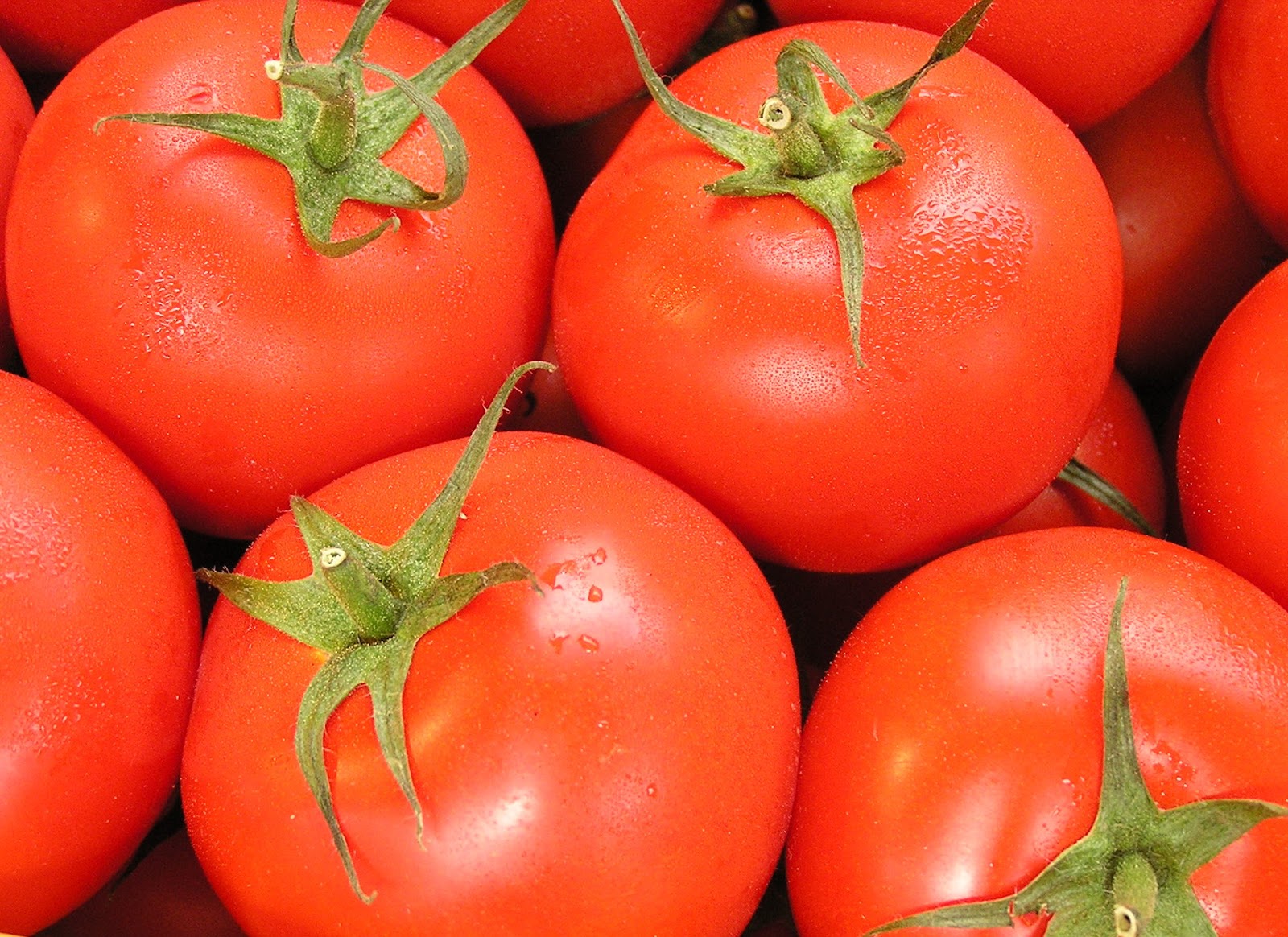
It's Jersey Tomato Season!

In my mind, there are few things worth eating that are better than Jersey tomatoes in the summertime. I'm not talking about the ones grown in the greenhouses and shipped all over the place and taste like...well, nothing. The ones I love are a deep red and smell like tomatoes. They're juicy and delicious and so very good for you. I decided to dedicate this post to extolling the virtues of these deep red beauties. 

So why should you eat Jersey tomatoes? Here are a few reasons to eat tomatoes but the ones grown in the beautiful garden state are undeniably the best in the world.
  • tomatoes are a great source of fiber, providing about 1.5 grams per medium sized tomato. Most of the fiber is insoluble which helps to bulk up your stool and prevent constipation. It also helps to speed digestion which keeps food from sitting in your digestive tract too long
  • tomatoes are made up mostly of water (87%) which makes them a low carb food
  • tomatoes are a great source of vitamins and minerals such as: 
    • Vitamins C - is an essential nutrient and anti-oxidant
    • Vitamin K1 - is important for blood clotting and bone health  
    • Vitamin B9 - also known as folate, is essential for normal tissue growth and cell function
    • potassium - is essential for blood pressure control and prevention of heart disease
  • tomatoes are a great source of other nutrients also such as: 
    • lycopene - is a red pigment and antioxidant and seems to be more prevalent in tomato products that have been processed like tomato paste or sauce. It's still preferable to get the lycopene from fresh rather than canned tomatoes and it should be consumed with some type of healthy fat (think avocado and tomato, the perfect union) for better absorption
    • beta-carotene - an antioxidant that gives a foods their orange or yellow color and converts to Vitamin A in the body
    • naringenin - this is found mostly in the tomato skin and has been found to decrease inflammation and certain diseases in mice
    • chlorogenic acid - this is a powerful antioxidant and can possibly help to control high blood pressure in those who suffer from it
There are other health benefits gained from eating tomatoes. Two of my chart toppers are on this list.
  • heart health 
    • a study of middle-aged male patients (probably the only ones studied for this issue) who suffered from heart attack and stroke were found to be low in lycopene and beta-carotene
    • evidence is mounting to suggest that supplementing with lycopene can help to lower bad cholesterol levels (LDLs)
    • studies of tomato products show that they may provide benefits of lowering inflammatory markers and indicators of oxidative stress, hence the antioxidant values mentioned previously
    • there is also evidence of tomato products adding  protective effect on the inner lining of the blood vessels and a decrease in dangerous blood clotting
  • cancer prevention
    • observational studies have shown a link between the consumption of tomato products and a decreased risk of prostate, lung and stomach cancers
    • a study of women indicated that a high level of carotenoids (lycopene) reduced the risk of breast cancer
  • skin health
    • tomato based foods and other plant compounds may protect against sunburn
Tomatoes that are grown in the summer and are allowed to ripen naturally instead of being exposed to the artificial ripening process using ethylene gas will be far tastier than the pale, tasteless tomatoes we get in the winter time. if you do buy tomatoes before they have been able to ripen, wrap them in newspaper and leave them on the kitchen counter for a few days, being sure to check them frequently for ripeness. 

Tomatoes that are locally grown, even if they aren't from New Jersey, are likely to be tastier and contain many more nutrients than those that have made their way all over the globe before they've had the chance to fully develop. This season is short-lived so go out and get yourself some delicious, local tomatoes. You will LOVE them!

As a health coach, I work with women who are facing serious health challenges like heart disease, metabolic syndrome and diabetes or who have been diagnosed as having a precursor to a serious health issue such as high blood pressure, high cholesterol or high blood sugar. I help them make food and lifestyle changes so they can get healthy, live longer and enjoy a fuller, happier, more energetic life. If you would like to have a free consultation about the health challenges you have and the improvements you would like to see in your health, click here to schedule a no strings attached call.


Friday, August 2, 2019

Vegetarians Get No Respect

We attended a wedding tonight and, as often happens, there really was no vegetarian option except a plate full of steamed spinach, carrots, cauliflower and a baked white potato. I had to ask for beans, which I knew they had. They were part of the hors d'oeuvres during the cocktail hour. Now I'm all for eating a plate of veggies but I would expect a nice country club to have a little more imagination. They didn't even have a fish option. All they served was beef and bird. 

I don't fault the hosts of the reception. This is an issue anywhere I go where a meal is part of the event. Often the "vegetarian" option is white pasta with marinara sauce. Or they put together a plate of steamed vegetables. 

As people become more health conscious in their food choices and go more toward plant based eating, venues should be able to accommodate the needs of their clientele. I don't care if someone is a carnivore...to each their own, but I would like just as much access to healthy and good tasting food as the meat eaters get. Often when a meat eater has the option to eat a vegetarian meal, they take it if it's appealing.

If I'm in a restaurant that isn't a chain with pre-made meals, I can get something appealing as long as I choose from ingredients that are already on the menu. Many places are more than happy to accommodate me. It's mostly when I'm in a group setting and it's a sit-down meal rather than a buffet that the situation I described happens.

So how do I overcome this obstacle? One thing I could do, but didn't do tonight unfortunately, is I can eat something before I go to an event so I'm not so hungry at meal time. When I go to conferences, I generally take healthy snacks with me so when lunch is served I'm not starving.  I also drink plenty of water. This helps me stay alert and of course, I  need to go to the restroom often which gets me moving and not just sitting still. Water also helps to alleviate thirst that is masquerading as hunger.

I'll be back home tomorrow in my own environment so meals will be much easier. An update on me...I did not go to the gym today. We had to travel several hours for this wedding but we did dance quite a bit so I'm counting that as a win in the exercise column.

What do you do to stay on track?  

As a health coach, I work with women who are facing serious health challenges like heart disease, metabolic syndrome and diabetes or who have been diagnosed as having a precursor to a serious health issue such as high blood pressure, high cholesterol or high blood sugar. I help them make food and lifestyle changes so they can get healthy, live longer and enjoy a fuller, happier, more energetic life. If you would like to have a free consultation about the health challenges you have and the improvements you would like to see in your health, click here to schedule a no strings attached call.

Thursday, August 1, 2019

The Blog Challenge is Over...Now What?

It's been a pretty busy day for me. I was out most of the day and so I sit here at 10PM wondering what I'm going to talk to you about. I think I'll give an update on the progress of my weight loss journey. 

One thing I have discovered is losing weight this time won't be as easy as it has been in the past, for several reasons. First, I have never been this age before. As we age, we tend to lose muscle mass. Muscle burns more calories than fat does so it now takes less calories to support my body. I am working on building muscle but since my heart attack, some restrictions have been imposed on me. I'm not supposed to lift more than thirty pounds. I take a beta blocker that artificially holds down my heart rate. It also affects my metabolism. That means that losing weight is going to be a different experience this time than it has in the past. 

In the past, when I applied myself to the task of losing weight and getting in better shape, it happened somewhat easily for me. It took time but I saw consistent progress every week. Now, I'm using intermittent fasting as I've mentioned before as well as portion control. I haven't been as vigilant about the exercise as I would like to be and I have been staying up too late at night so my sleep has been erratic and my progress has been a little disappointing.

There are several things wrong with this scenario. First, not exercising is going to have a more negative impact on me than in the past. Remember the muscle loss I just told you about? Well, that doesn't get better if I don't work said muscles. That requires exercise. And the lack of sleep? Well, that is a whole other can of worms. Besides the fact that my energy suffers if I don't sleep well, it also messes up the hormones that control hunger and satiety feelings. And sleep deprivation causes blood sugar imbalance and just generally messes up everything.

So what am I planning to do? One thing is I will continue to write this blog to remain accountable to at least myself. I hope others are getting some help from it also. I'll start going to bed at a reasonable and consistent time every night and getting up at the same time each morning. That will set my circadian (internal) clock so that my sleep becomes more regular. Hopefully I can overcome the energy lack with adequate sleep. By getting enough rest, I'll want to exercise because when I do I feel so much better. Second, I'll set time up in my calendar to exercise and make it non-negotiable. I was exercising pretty regularly until last week. I went away for a long weekend and fell out of the routine. How easy it is to do. But I'm getting back on that horse.

They say it takes 90 days (some say 60, some say 30) to make a habit stick. If I start tomorrow, that takes me to the end of October. I can do some form of exercise every day for 90 days. Once I do that, I expect that not doing it won't feel so good. I'll continue following the eating plan I've developed because that feels good to me. 

As I said, I haven't been really happy with my progress but as with all of life, there have been some lessons here for me to learn. Consistent progress will depend on a vigilance I haven't had to use in the past to accomplish what I want. Ok, I get that. I need to really move every day. And I need sleep.

Stay with me through this process. Hopefully we can both learn something and make changes that will stick.

By the way...after my weekend away, I gained almost a pound back. But I'm still down more than nine pounds. I'll take it. Baby steps. 


As a health coach, I work with women who are facing serious health challenges like heart disease, metabolic syndrome and diabetes or who have been diagnosed as having a precursor to a serious health issue such as high blood pressure, high cholesterol or high blood sugar. I help them make food and lifestyle changes so they can get healthy, live longer and enjoy a fuller, happier, more energetic life. If you would like to have a free consultation about the health challenges you have and the improvements you would like to see in your health, click here to schedule a no strings attached call.